
Focus Dynamics and Visual Narrative
This concentration system defines the way digital spaces compete over restricted individual concentration. Every interaction element, unit of material, and contact point is created to attract and maintain focus within a limited time frame. Users become presented bonus senza deposito to a significant flow of data, and this forces systems to focus on simplicity, relevance, and quickness of understanding. Within such setting, image-based narrative turns into a key tool for arranging content in a way which matches with natural cognitive mechanisms.
Digital platforms depend upon visual flows to shape perception and evaluation. Ordered stories reinforced by visuals, layout, and sequence structures help users interpret content smoothly. Analytical insights, such as bonus immediato senza deposito e senza documento, demonstrate that visual presentation reduces cognitive strain through showing information in a connected and consistent structure. That structure allows users to interpret complicated messages without demanding long reading time or deep analysis.
Primary Foundations of the Concentration Economy
This concentration system functions through the basis that human attention represents a limited bonus senza deposito casino asset. Virtual platforms need to use that resource efficiently by offering material that is instantly readable and important. Interfaces are structured to reduce resistance and ensure that main data is noticeable during the initial moments of engagement. That decreases the chance of loss of interest and promotes ongoing engagement.
Prioritization of content plays a key function in keeping focus. Features such as titles, image-based markers, and organized arrangements lead users towards important information. If material is structured in accordance to user expectations, the content appears more direct to explore and process. This increases the possibility of continued engagement and strengthens the overall efficiency of the engagement.
Perceptual Order in Storytelling
Visual priority defines how information is interpreted and understood. Dimension, visual contrast, distance, and alignment are employed to direct focus toward selected bonus casin? parts. Within storytelling, hierarchy guarantees that users move through a ordered progression of information, shifting from primary ideas to supporting elements. That arrangement clear progression simplifies perception and decreases thinking load.
Well-built visual hierarchy fits with typical attention paths. Users usually look on prominent items initially and after that transition to less prominent information. By organizing data according with such behaviors, virtual platforms are able to lead individuals along a narrative without demanding direct bonus senza deposito instructions. Such alignment supports more rapid recognition and more stable perception.
Progressive Material and Narrative Sequence
Graphic presentation relies upon the organization of content in a meaningful progression. Each part belongs to a broader narrative which unfolds while people move through the platform. Such a flow assists hold focus through providing a visible sense of orientation and flow. When users grasp what comes later, those users become more likely to remain engaged.
Connections among information segments become critical for maintaining sequence coherence. Clear progression from one element to another limits bonus senza deposito casino interruption and ensures that individuals are able to follow the planned flow. Predictable transitions support understanding and decrease the need for renewed interpretation. Therefore the outcome, evaluation grows more efficient and matched with the shown content.
Function of Visuals and Visual Cues
Imagery and visual indicators have a key function in capturing bonus casin? attention and conveying sense. Such visuals offer immediate context and lower the demand for written description. Image-based elements such as icons, drawings, and diagrams enable individuals interpret data quickly and accurately. Those visuals serve as reference anchors which direct notice and enable comprehension.
The impact of imagery depends upon their relevance and simplicity. Irrelevant images may mislead people and weaken the strength of the story. Properly matched visuals, on the other hand, reinforce important points and enhance memory. By matching bonus senza deposito graphic elements to messages, digital platforms are able to build a unified and useful experience.
Temporal Sensitivity and Content Presentation
Within the focus economy, time has a important function in the way content gets consumed. Users frequently take judgments regarding whether or not to continue with material in moments. This means that virtual interfaces to deliver main content promptly and effectively. Late or confusing delivery might lead to reduction of interest and weaker response.
Limited exposure periods affect the way data is structured. Essential details are placed in the beginning of content flows, and secondary content comes later. This model supports that people get main points even within short bonus senza deposito casino engagements. Clear content exposure supports stronger understanding and more grounded responses.
Emotional Engagement Through Design-Based Design
Design-based storytelling influences psychological responses, and these in response affect attention and perception. Design features such as tone combinations, lettering, and arrangement belong to the overall character of the presentation. Measured and stable design promotes readability, whereas intense design activity may contribute to distraction.
Emotional stability remains valuable for keeping user attention. Abrupt shifts in style or tone might break focus and reduce interest. Through preserving a stable design style, digital platforms create a stable presentation that enables steady focus. Such stability strengthens both understanding and bonus casin? recall.
Content Volume and Clarity
Controlling content volume becomes essential across the attention economy. Overloaded interfaces might burden users and reduce their capacity to interpret data smoothly. Image-based narrative handles this issue via splitting information into clear blocks. Every segment concentrates upon a single point, helping people to process content step by step.
Clarity gets built by means of distance, grouping, and stable structure. Such tools help users separate between different categories of information and grasp their links. If content is displayed visibly, individuals may move through such material more smoothly and take judgments with higher certainty.
Interaction-Based Fit in Visual Sequences
Context shapes how people interpret graphic content. Components which are relevant to the current situation bonus senza deposito are more likely to gain attention and enable understanding. Interaction-based fit supports that visuals and written content work together to communicate a single idea. This decreases uncertainty and supports decision quality.
Online systems often adapt information according to current interaction, delivering content which fits individual patterns. Such a dynamic method raises fit and maintains engagement. When information matches the present context, individuals bonus senza deposito casino can handle it more smoothly and act more confidently.
Interface Responses and Focus Retention
Microinteractions help to preserving focus via delivering minor signals in human steps. Such minor responses, such as motion effects or status shifts, confirm engagement and direct individuals within the interface. These elements create a impression of flow and assist people stay attentive on the interaction bonus casin?.
Predictable interface responses promote clear responses and decrease doubt. If users see how the system reacts, they can move more assuredly. This leads to continued engagement and more fluid navigation within information.
Habitual Viewing Behaviors
Users develop habitual viewing behaviors while interacting with digital interfaces. Those behaviors influence how focus is allocated within the layout. Frequent scanning patterns, such as wide bonus senza deposito and vertical flow, influence what items are seen first. Image-based narrative aligns with these paths to guide notice effectively.
Designing around routine scanning supports that essential information is located in zones in which people typically concentrate. Such placement raises noticeability and improves comprehension. By connecting content with established paths, digital platforms are able to enable smooth data processing and stable attention.
Balance Between Involvement and Excess
Holding focus demands a measured balance between engagement and overstimulation. Too many graphic features can distract users and weaken the readability of the narrative. On the other side, minimal presentation might be unable to hold attention. Well-built visual storytelling finds a balance which supports both interest and understanding.
Balanced application of graphic components helps ensure that attention is guided towards essential content. Such an approach structure reduces cognitive strain and bonus senza deposito casino promotes sustained interaction. Measured presentation enhances ease of use and contributes to more effective communication of content.
Overview of Attention-Based Focus Approaches
This focus model and visual narrative stand as directly linked in digital systems. Structured stories, visible graphic hierarchy, and interaction-based relevance support smooth data handling. Through matching interface components to perceptual behaviors, virtual interfaces may gain and maintain human interest without introducing excessive noise.
Well-structured image-based storytelling enables users to understand information quickly and make informed choices. By means of thoughtful structuring of information and predictable visual principles, digital environments are able to hold attention bonus casin? and help ensure that engagements stay intuitive, easy to follow, and effective.


 LOUIS VUITON
 GUCCI
GUCCI HERMES
 DIOR
DIOR PRADA
PRADA FERRAGAMO
 BURBERRY
 DOLCE & GABBANA
 PREMIATA
 HUGO BOSS
 BRUNELLO CUCINELLI
 BALMAIN
 GIVENCHY
 BALLY
BALLY LORO PIANA
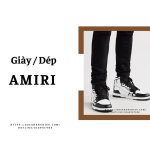 AMIRI
AMIRI RICK OWEN
 FENDI
FENDI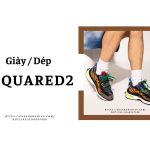 DSQUARED2
 SAINT LAURENT
 SATONI
 BOTTEGA VENETA
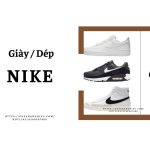 NIKE
NIKE BALENCIAGA
 ALEXANDER MCQUEEN
 GOLDEN GOOSE
 STONE ISLAND
 HOGAN
HOGAN THE LAST REDEMPTION
 CELINE
 THOM BROWNE
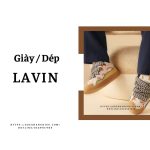 LAVIN
LAVIN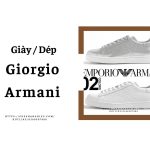 ARMANI
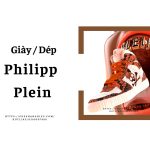 PHILIPP PLEIN
 CHURCH’S
 TOD’S
TOD’S CHRISTIAN LOUBOUTIN
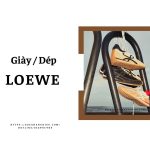 LOEWE
LOEWE TOMFORD
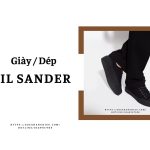 JIL SANDER
 OFF WHITE
 VALENTINO
 A Bathing Ape (Bape) Nhật Bản
 BERLUTI
 VERSACE
 MIHARA YASUHIRO
 KARL LAGERFELD
 MLB
MLB CHANEL
 CHROME HEARTS
 Giày AIR JORDAN
 JIMMY CHOO
 MAISON MARGIELA
 Y-3 YAMAMOTO
 ZANOTTI
 ZEGNA
ZEGNA
 GIÀY SNEAKER – THỂ THAO
 Giày Tây Oxford hoặc Derby
 Dép – Sandal
 Giày Boots – Bốt
 Giày Lười Loafers
 Giày Lười Mocasin hoặc Slip-on
 Dòng Trainer – Louis vuiton